
Swallowing Therapy – Helping You Eat & Breathe Comfortably
By sai isha
🌟 Introduction
Swallowing is something we do many times every day without even thinking about it. But for many individuals, swallowing can be a challenge due to medical conditions, ageing, or neurological issues. Swallowing Therapy, also known as Dysphagia Rehabilitation, plays a crucial role in helping people regain the ability to eat, drink, and breathe safely.
❓ What is Dysphagia?
Dysphagia refers to difficulty in swallowing food or liquids. It can range from occasional discomfort to severe swallowing problems that lead to serious health risks like choking or pneumonia.
Common symptoms include:
-
Coughing or choking while eating
-
Food sticking in the throat
-
Drooling or difficulty chewing
-
Weight loss due to poor intake
-
Frequent chest infections
-
Painful swallowing (Odynophagia)
If not treated properly, swallowing difficulties can affect nutrition, hydration, and overall health.
🧑⚕️ What is Swallowing Therapy?
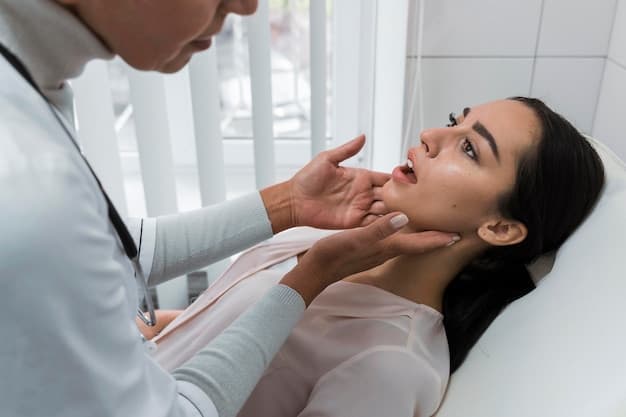
Swallowing therapy is a specialized treatment designed to improve the strength, coordination, and safety of swallowing muscles. It is usually provided by a Speech-Language Pathologist (SLP) or a swallowing therapist trained in dysphagia management.
🍽 Who Needs Swallowing Therapy?
Swallowing difficulty may occur due to:
-
Stroke or neurological disorders (Parkinson’s, Alzheimer’s)
-
Head and neck cancer treatment (surgery or radiation)
-
Traumatic brain injury
-
Muscular and nerve disorders
-
Age-related muscle weakness
-
Developmental disorders in children
-
Respiratory issues or prolonged ICU stays
🧠 How Does Swallowing Therapy Work?
A swallowing therapist will:
-
Evaluate swallowing strength through tests and clinical exams
-
Identify whether the problem affects the mouth, throat, or food pipe
-
Create a personalized rehabilitation plan
The therapy focuses on:
-
Improving muscle strength in the mouth, tongue & throat
-
Enhancing coordination of breathing and swallowing
-
Reducing risk of aspiration (food entering the lungs)
-
Teaching safe eating strategies
🔄 Common Treatment Techniques
✔ Muscle strengthening exercises for the tongue, jaw & throat
✔ Posture adjustments during eating to improve swallow safety
✔ Texture modification of food & liquids
✔ Neuromuscular electrical stimulation (NMES)
✔ Breathing–swallow coordination
✔ Sensory stimulation therapy to improve swallowing response
These techniques are tailored to each patient's medical needs.
❤️ Benefits of Swallowing Therapy
| Benefit | Why It Matters |
|---|---|
| Prevents choking | Helps food pass safely through the throat |
| Ensures better nutrition | Improves eating ability & appetite |
| Strengthens swallowing muscles | Long-term positive impact |
| Reduces hospital admissions | Avoids chest infections & aspiration |
| Improves confidence & quality of life | Enjoy meals with loved ones again |
Swallowing therapy isn’t just medical treatment — it restores a vital part of daily life.
🏁 Conclusion
Swallowing problems can be frightening and uncomfortable—but they are treatable. With timely intervention and a personalized therapy plan, individuals can regain the ability to eat and drink safely. Swallowing therapy empowers people to live healthier, happier, and more independent lives.
If you or a loved one is experiencing signs of dysphagia, consulting a swallowing therapist can make a remarkable difference.