Transcranial Magnetic Stimulation (TMS) – A Breakthrough in Mental Health Treatment
By sai isha
🔍 What is TMS Therapy?
Transcranial Magnetic Stimulation (TMS) is an advanced non-invasive treatment that uses magnetic pulses to stimulate specific areas of the brain responsible for mood control. It is especially effective for patients who do not respond well to medications or traditional psychotherapy.
TMS helps activate the brain’s natural healing response — without surgery or anesthesia.
💡 How Does TMS Work?
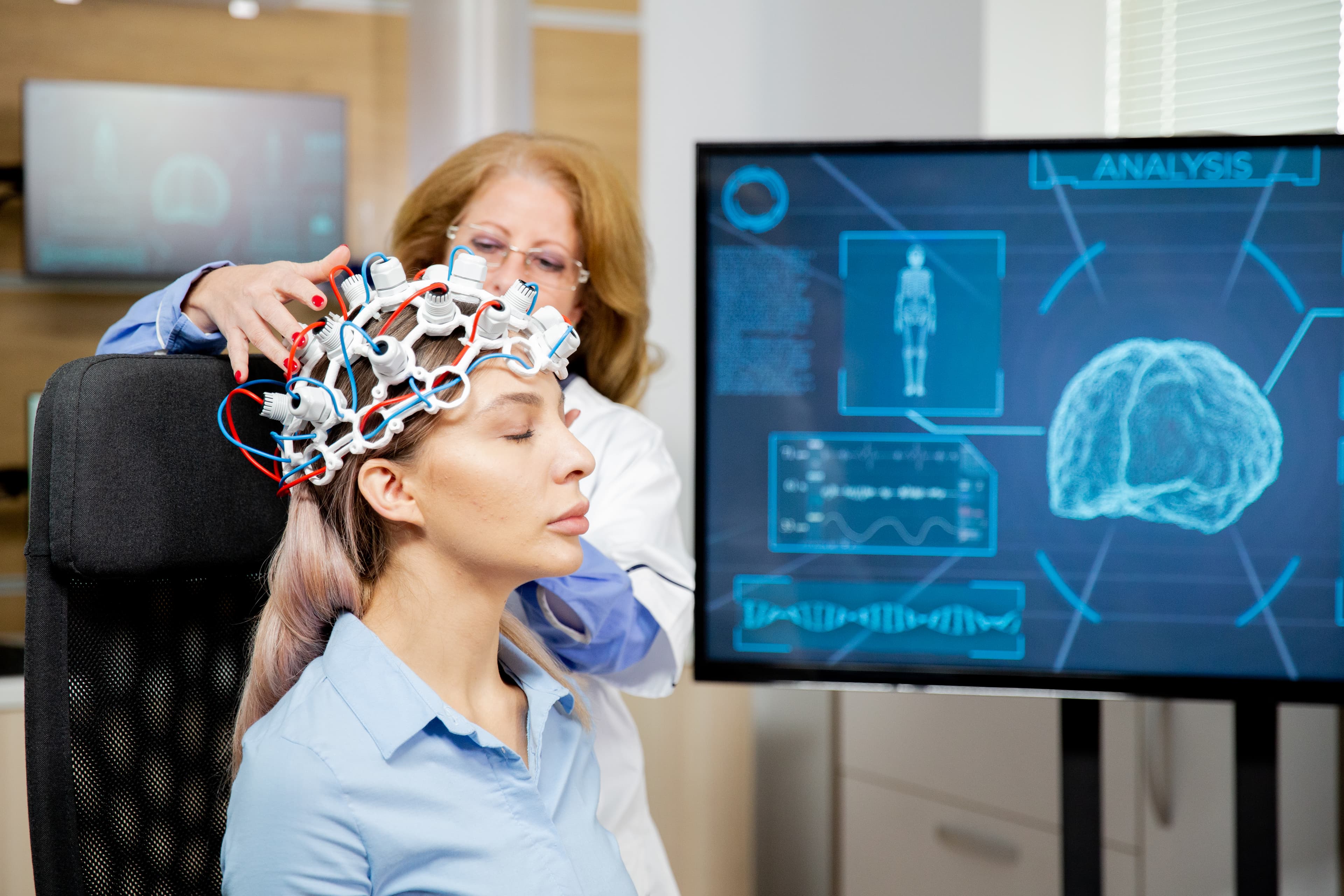
During TMS, a specially designed coil is placed near the scalp. It sends repetitive magnetic pulses that stimulate underactive brain cells and improve communication between brain regions.
This helps restore normal brain function and improves emotional balance.
🧠 What Conditions Can TMS Treat?
TMS therapy is FDA-approved for:
-
Major Depressive Disorder (MDD)
-
Treatment-resistant Depression
-
Anxiety Disorders
-
OCD (Obsessive Compulsive Disorder)
-
PTSD (Post-traumatic Stress Disorder)
-
Bipolar Depression
Additionally, research shows promising results for:
-
Chronic Pain
-
Addiction recovery
-
Parkinson’s disease symptoms
-
Auditory hallucinations in Schizophrenia
🌈 Benefits of TMS Therapy
| Benefit | Why it matters |
|---|---|
| Non-invasive & drug-free | No surgery, no anesthesia required |
| Minimal side effects | Safer compared to long-term medication |
| Effective when medications fail | Gives hope to treatment-resistant patients |
| No memory loss | Unlike Electroconvulsive Therapy (ECT) |
| Patient can return to daily routine | No downtime |
Most people begin experiencing improvement within 2–4 weeks of treatment.
🩺 What to Expect During a TMS Session?
A typical treatment session:
1️⃣ Patient sits comfortably in a chair
2️⃣ A magnetic coil is positioned on the scalp
3️⃣ Magnetic pulses are delivered for 20–40 minutes
4️⃣ Patient can leave immediately after the session
Sessions are usually given 5 days a week for 4–6 weeks, depending on condition severity.
⚠️ Are There Any Side Effects?
TMS is generally well-tolerated. Possible temporary side effects include:
-
Mild headache
-
Scalp discomfort at stimulation site
-
Tingling sensation
Serious risks are extremely rare.
🧬 How TMS Helps the Brain
Many mental health disorders relate to reduced neural activity in the prefrontal cortex. TMS:
✔ Reactivates neural pathways
✔ Builds stronger brain connections
✔ Boosts neurotransmitters like serotonin & dopamine
This leads to improved mood, thinking clarity, and emotional regulation.
🧭 TMS vs ECT — Key Differences
| Feature | TMS | ECT |
|---|---|---|
| Non-invasive | ✔ Yes | ✘ No |
| Anesthesia required | No | Yes |
| Memory loss | None | Common |
| Downtime | None | Required |
| Who benefits | Mild–severe depression | Severe or suicidal cases |
TMS is often preferred when patients want an effective, safe, and drug-free treatment option.
🎯 Final Conclusion
Transcranial Magnetic Stimulation (TMS) is a life-changing therapy for people suffering from depression and related mental health disorders. With increasing global success rates and minimal side effects, TMS offers hope when traditional treatments fail.
If you or someone you know is struggling with long-term mental health challenges, TMS may be the solution that brings back confidence, stability, and emotional well-being.